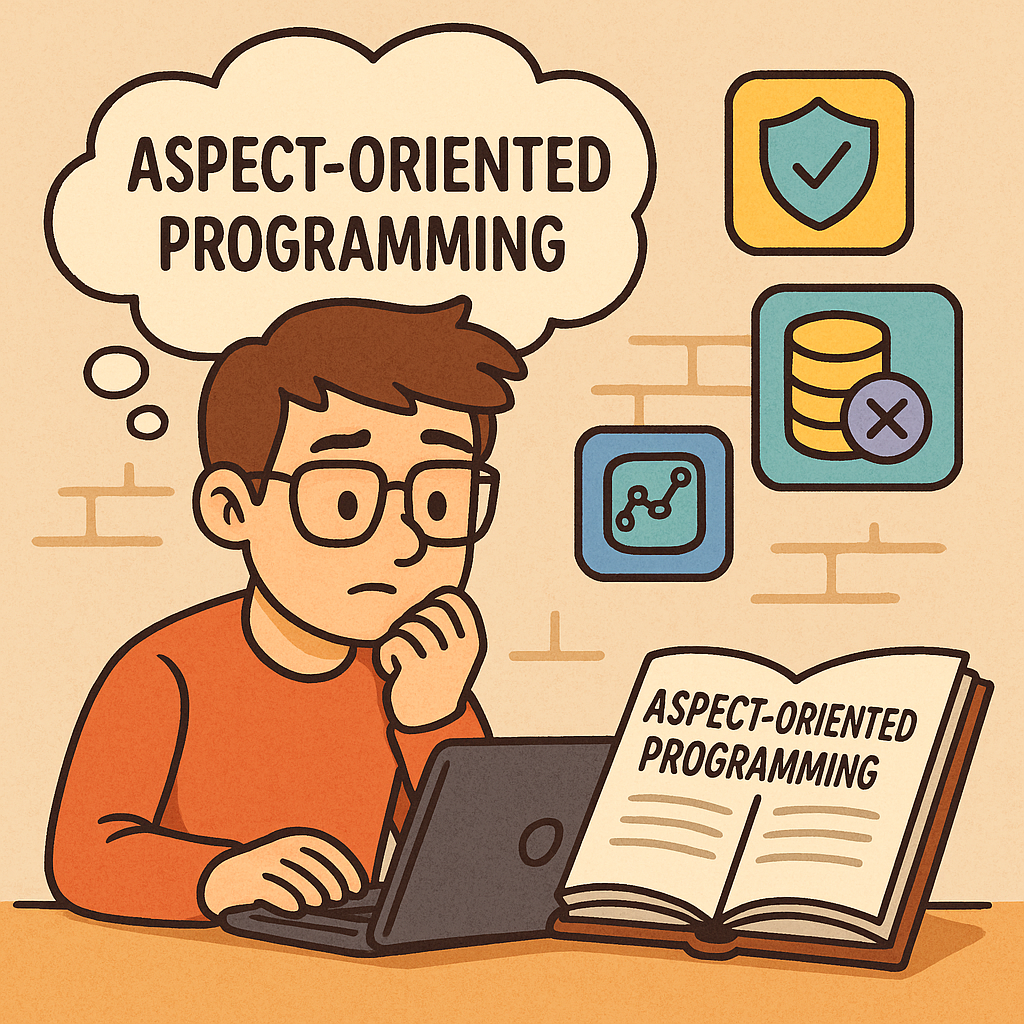
Aspect-Oriented Programming (AOP) is a programming paradigm that focuses on separating cross-cutting concerns from the main business logic of a program. In traditional programming approaches, such as Object-Oriented…
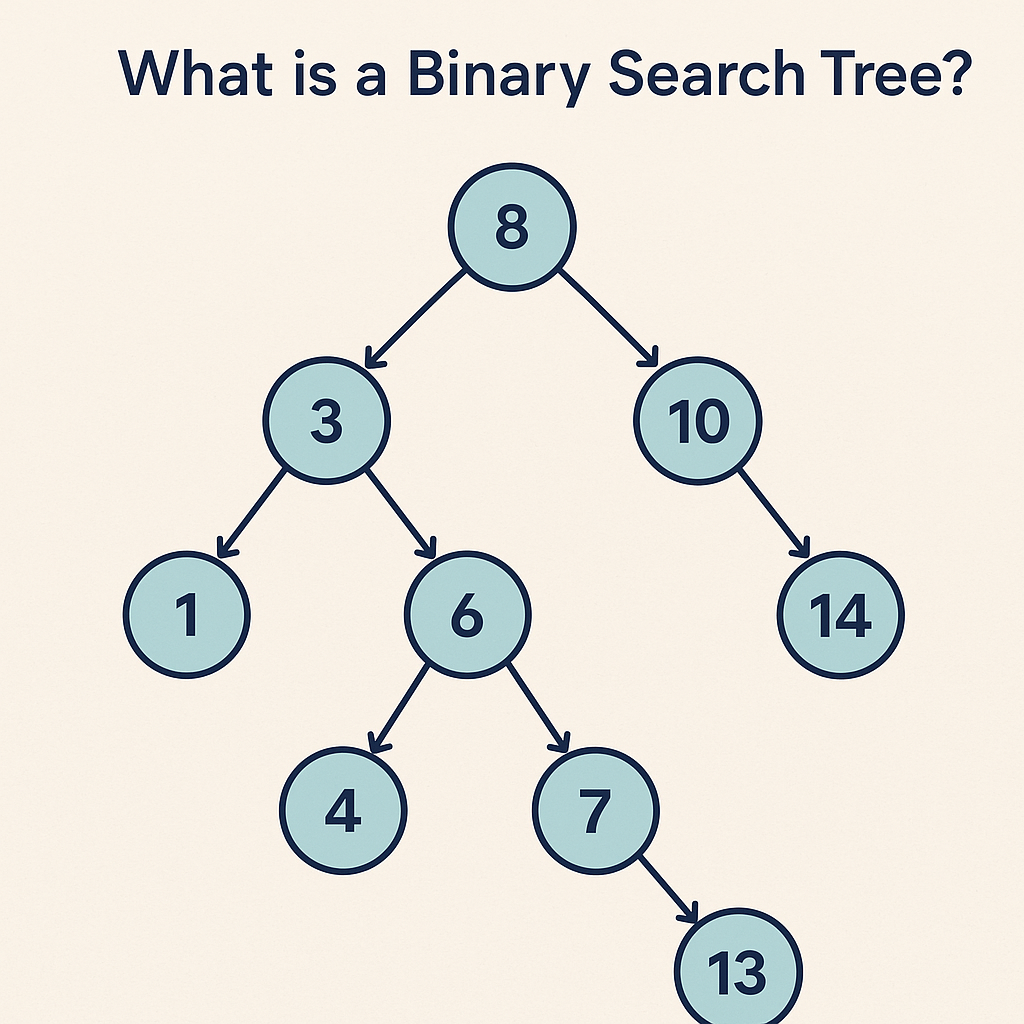
A Binary Search Tree (BST) stores keys in sorted order so you can search, insert, and delete efficiently—typically in O(log n) time—if the tree stays balanced. It’s great…
Foreign Function Interfaces (FFIs) let code written in one language call functions or use data structures written in another. In practice, FFIs are the “bridges” that let high-level…
Java was designed with primitives for performance and memory efficiency. Later, Java introduced generics, Collections, and object-oriented APIs that need reference types. Wrapper classes (like Integer) bridge primitives…
The KISS principle stands for “Keep It Simple, Stupid”, a design philosophy that emphasizes simplicity in systems, software, and problem-solving. Originally coined in the 1960s by the U.S.…
Polyglot interop (polyglot interoperability) refers to the ability of different programming languages to work together within the same system or application. Instead of being confined to a single…
An Application Binary Interface (ABI) defines the low-level, binary-level contract between two pieces of software — typically between a compiled program and the operating system, or between different…
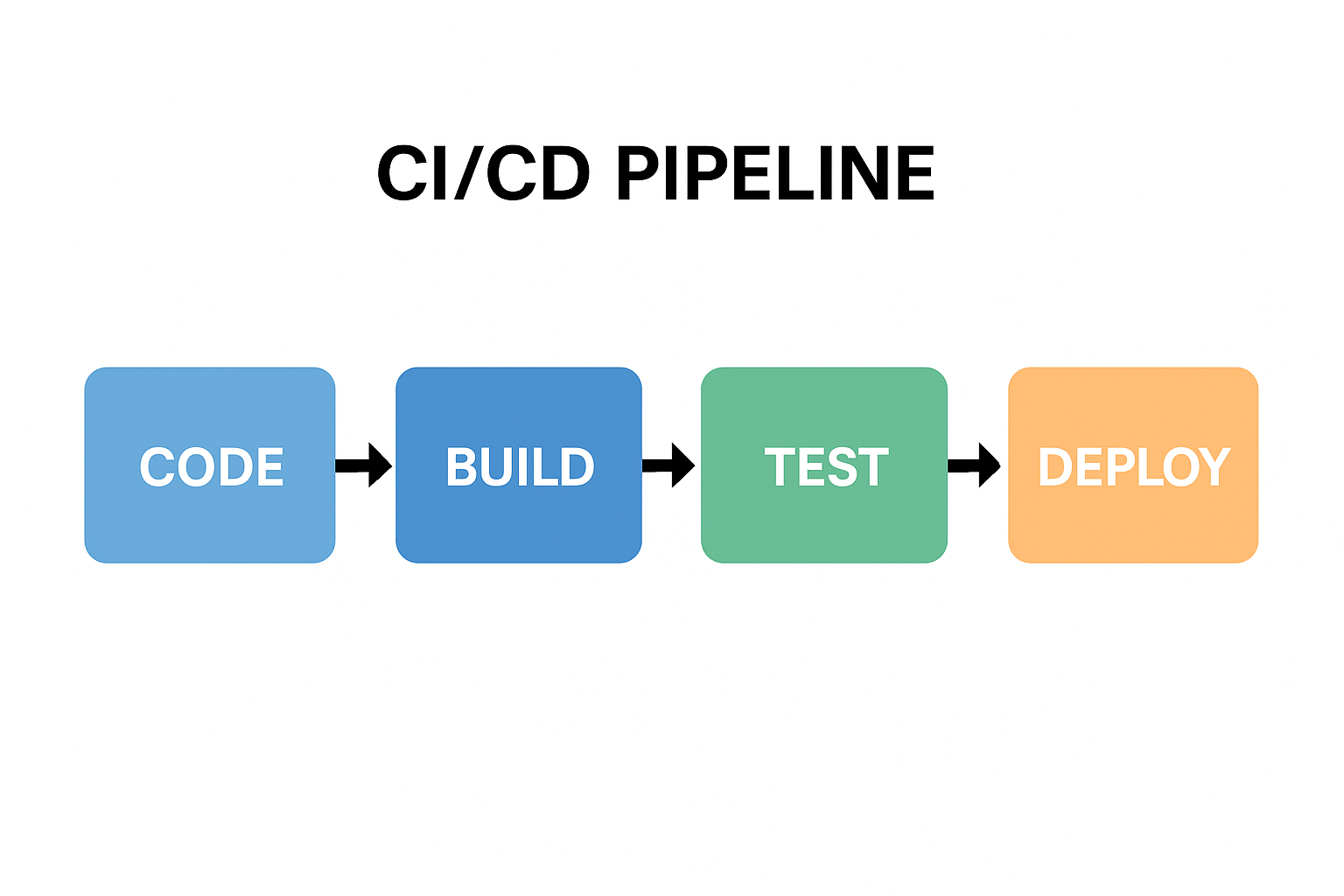
CI/CD stands for Continuous Integration and Continuous Delivery (or Deployment). A CI/CD pipeline is a series of automated steps that help developers build, test, and deploy software more…
CVE (Common Vulnerabilities and Exposures) is an international system that provides a standardized method of identifying and referencing publicly known cybersecurity vulnerabilities. Each vulnerability is assigned a unique…
In software engineering, one of the most valuable design principles is the DRY principle. DRY stands for “Don’t Repeat Yourself”, and it is a fundamental guideline that helps…