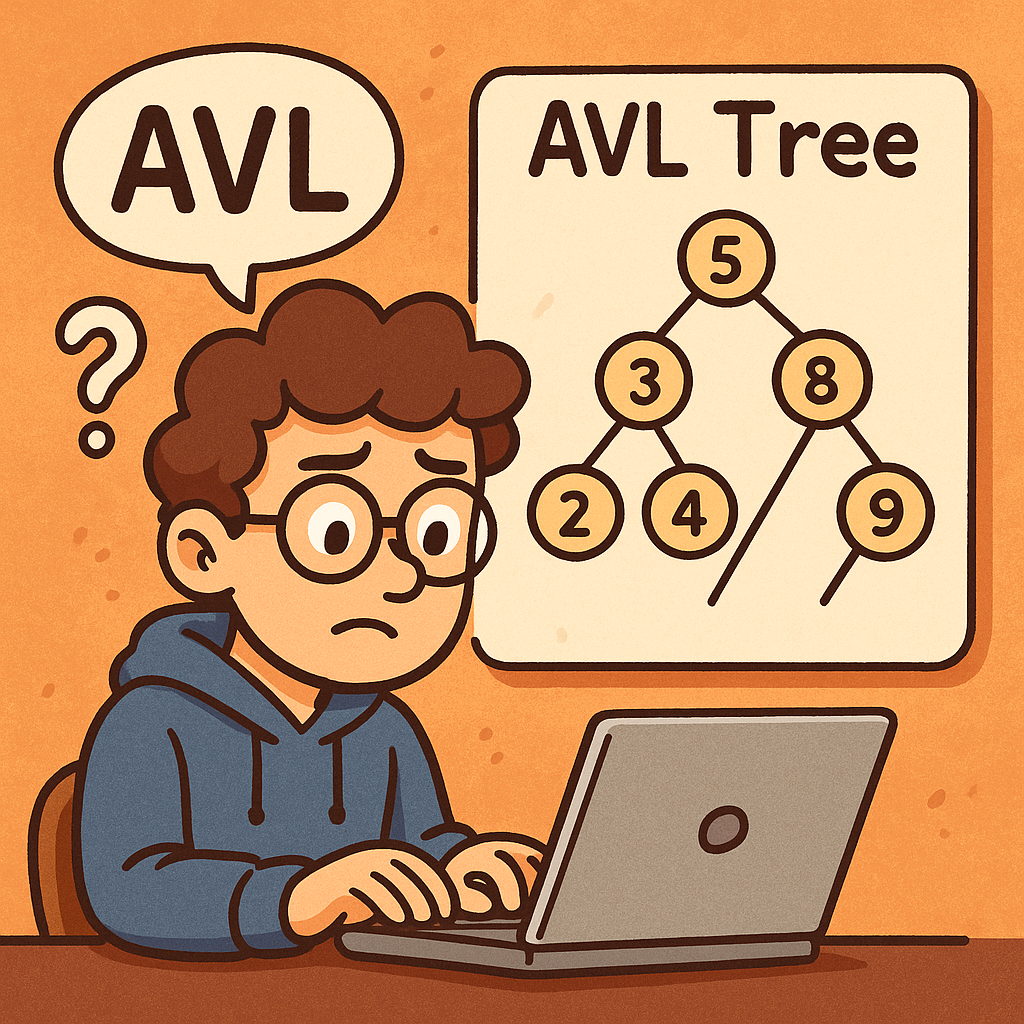
An AVL tree (named after Adelson-Velsky and Landis) is a self-balancing Binary Search Tree (BST). For every node, the balance factor (height of left subtree − height of…
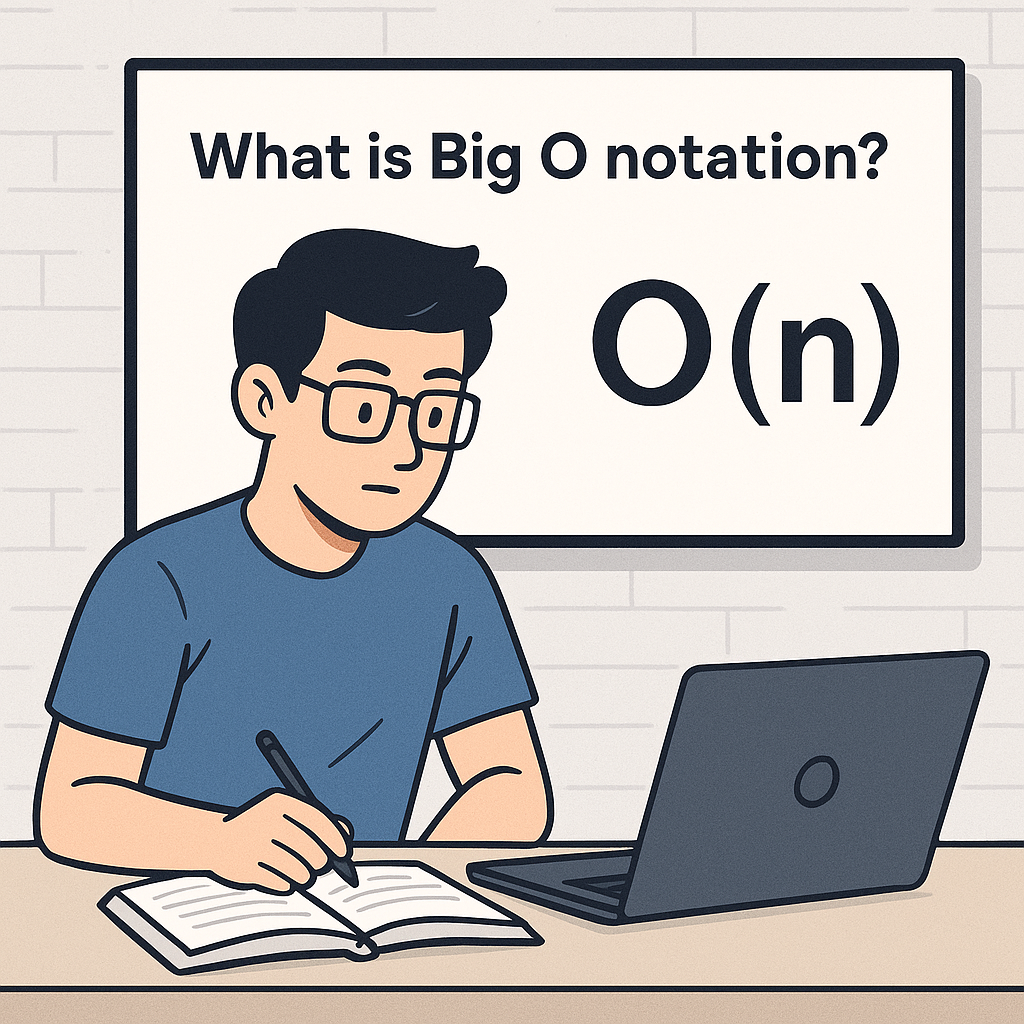
Big-O notation describes how an algorithm’s running time or memory grows as the input size n gets large. It gives an upper bound on growth—e.g., “this algorithm runs…
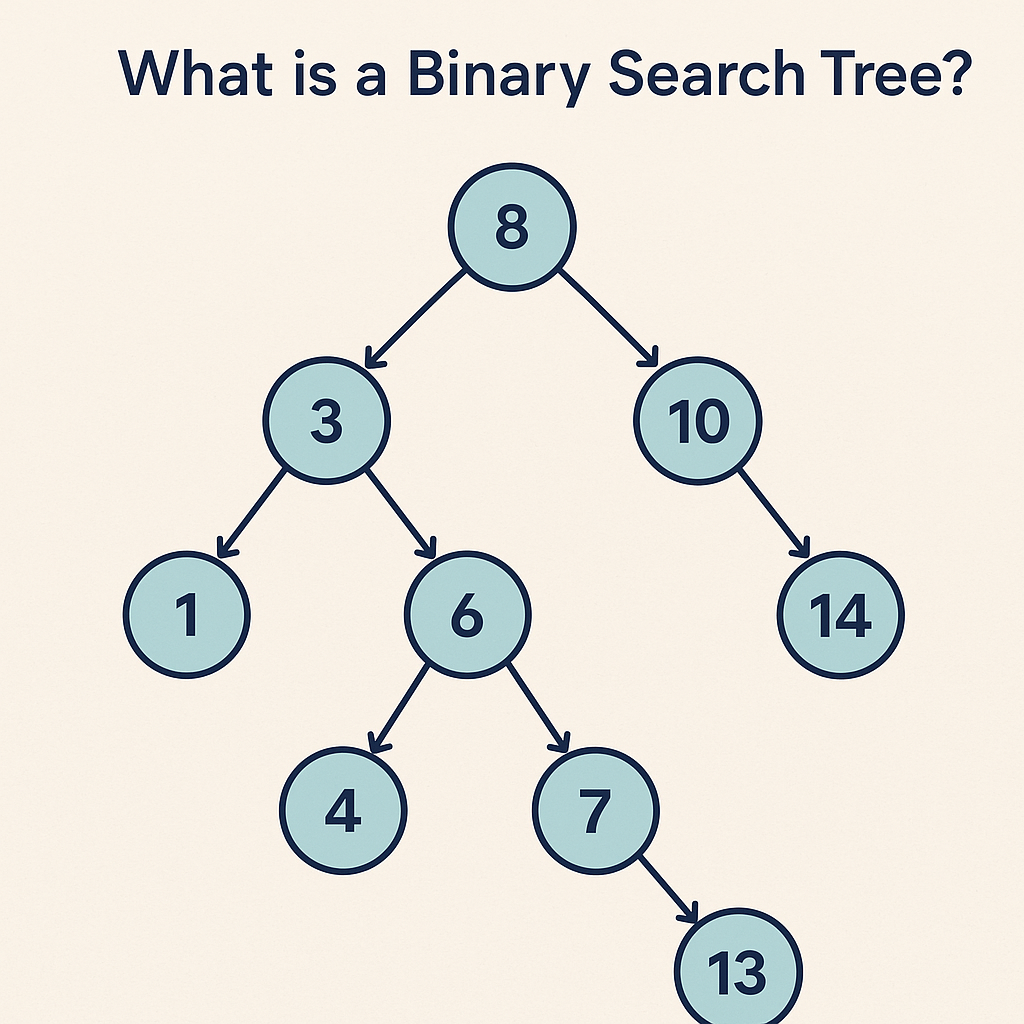
A Binary Search Tree (BST) stores keys in sorted order so you can search, insert, and delete efficiently—typically in O(log n) time—if the tree stays balanced. It’s great…
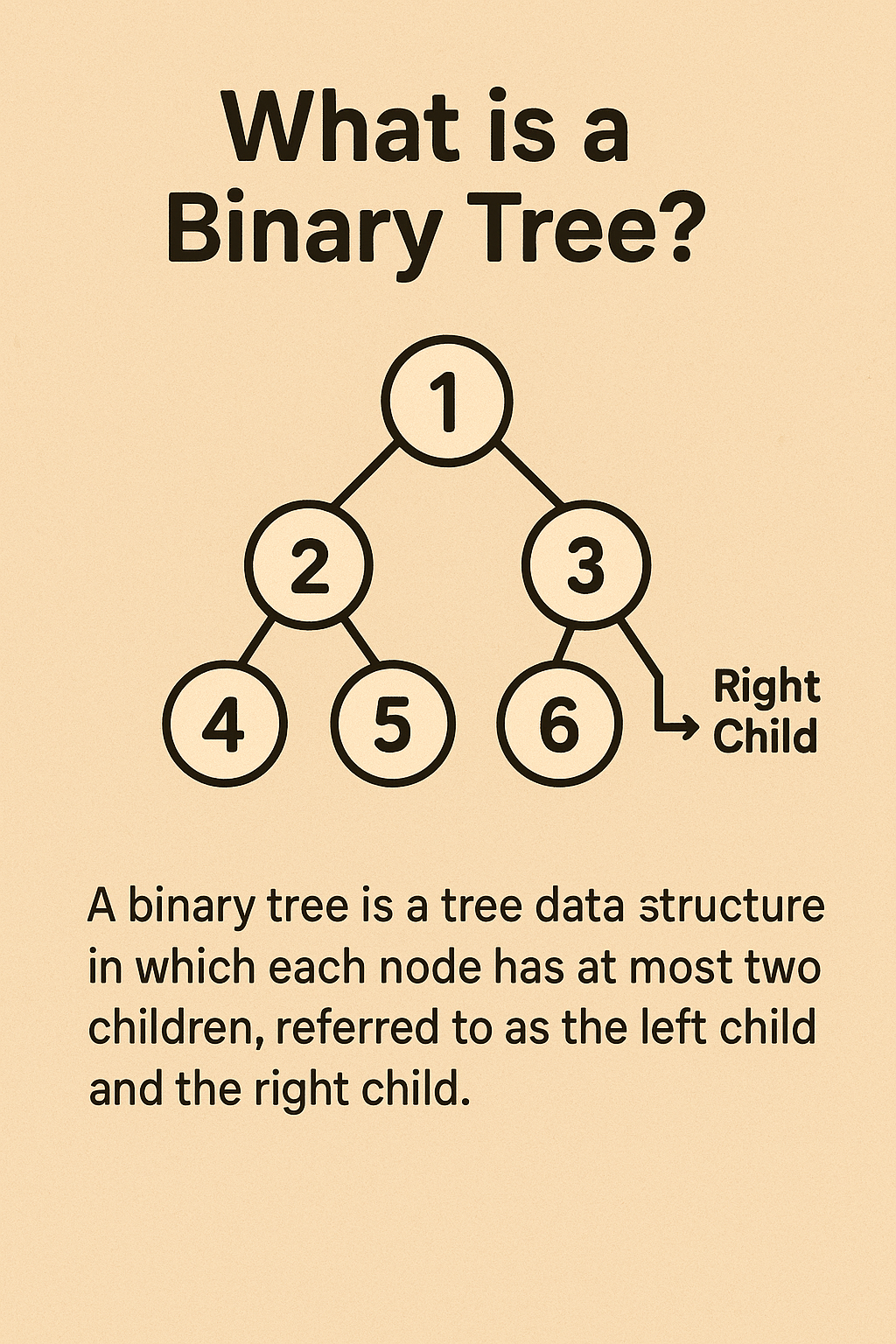
A binary tree is a hierarchical data structure where each node has at most two children. It’s great for ordered data, fast lookups/insertions (often near O(log n)), and…
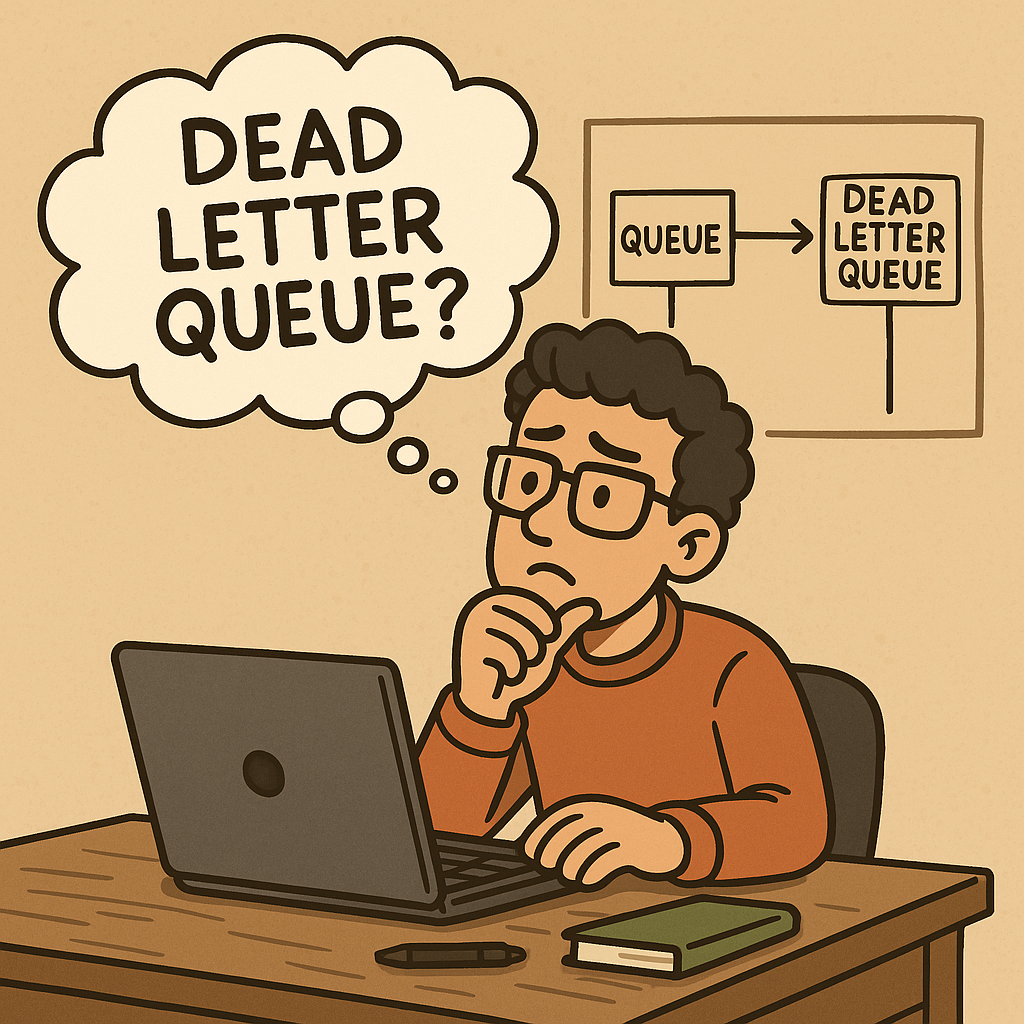
A Dead Letter Queue (DLQ) is a secondary queue linked to a primary “work” queue (or topic subscription). When a message repeatedly fails processing—or violates rules like TTL,…
Integration testing verifies that multiple parts of your system work correctly together—modules, services, databases, queues, third-party APIs, configuration, and infrastructure glue. Where unit tests validate small pieces in…
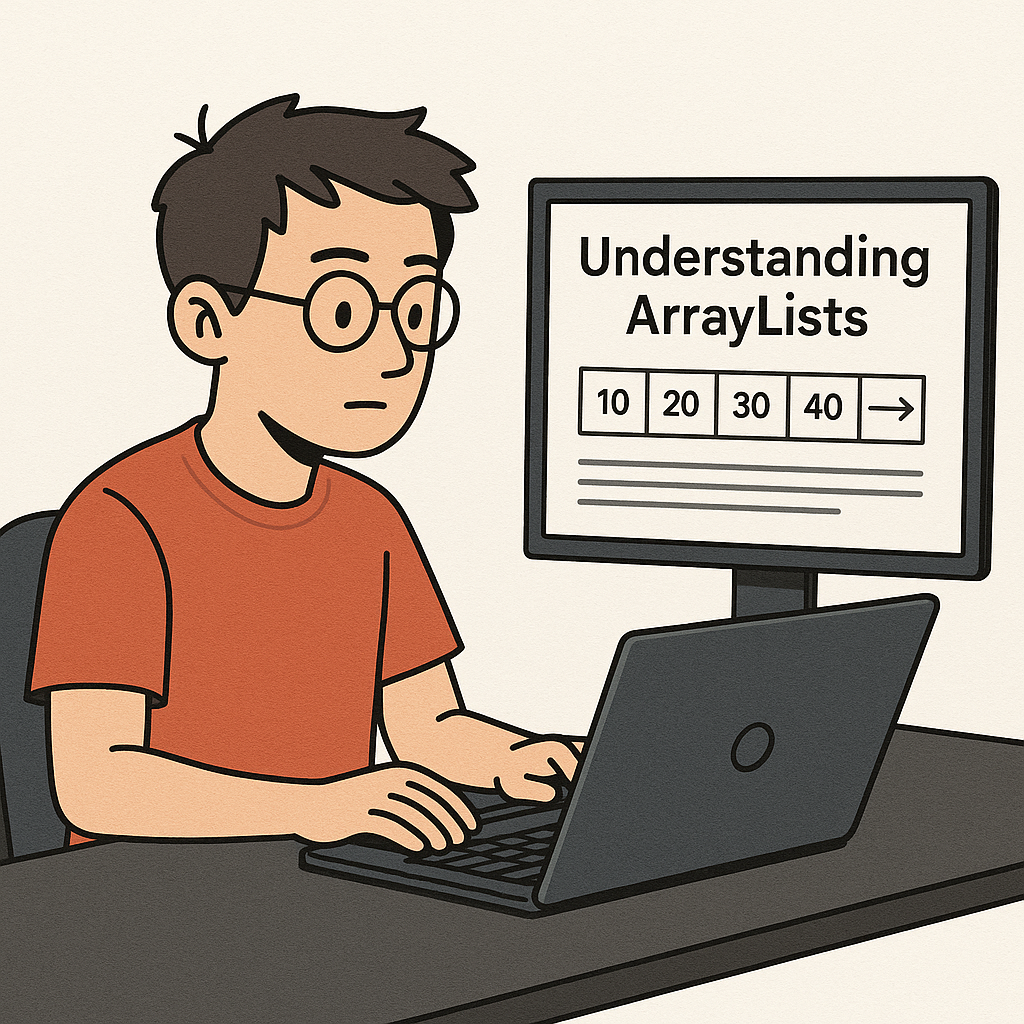
An ArrayList is a resizable array implementation provided in many programming languages (for example, java.util.ArrayList in Java or List in C#). Unlike regular arrays that have a fixed…
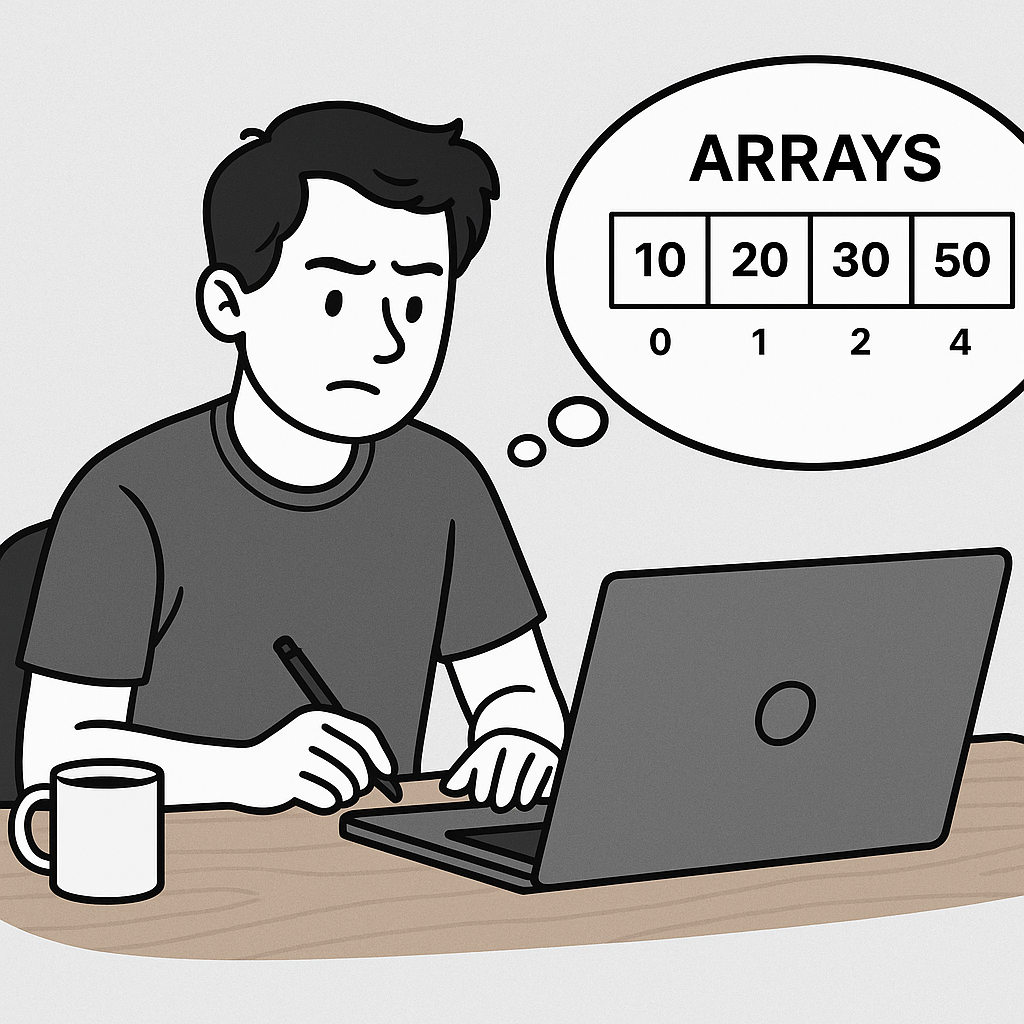
Arrays are one of the most fundamental concepts in computer science and programming. Whether you are working with Java, Python, JavaScript, or PHP, arrays play a critical role…
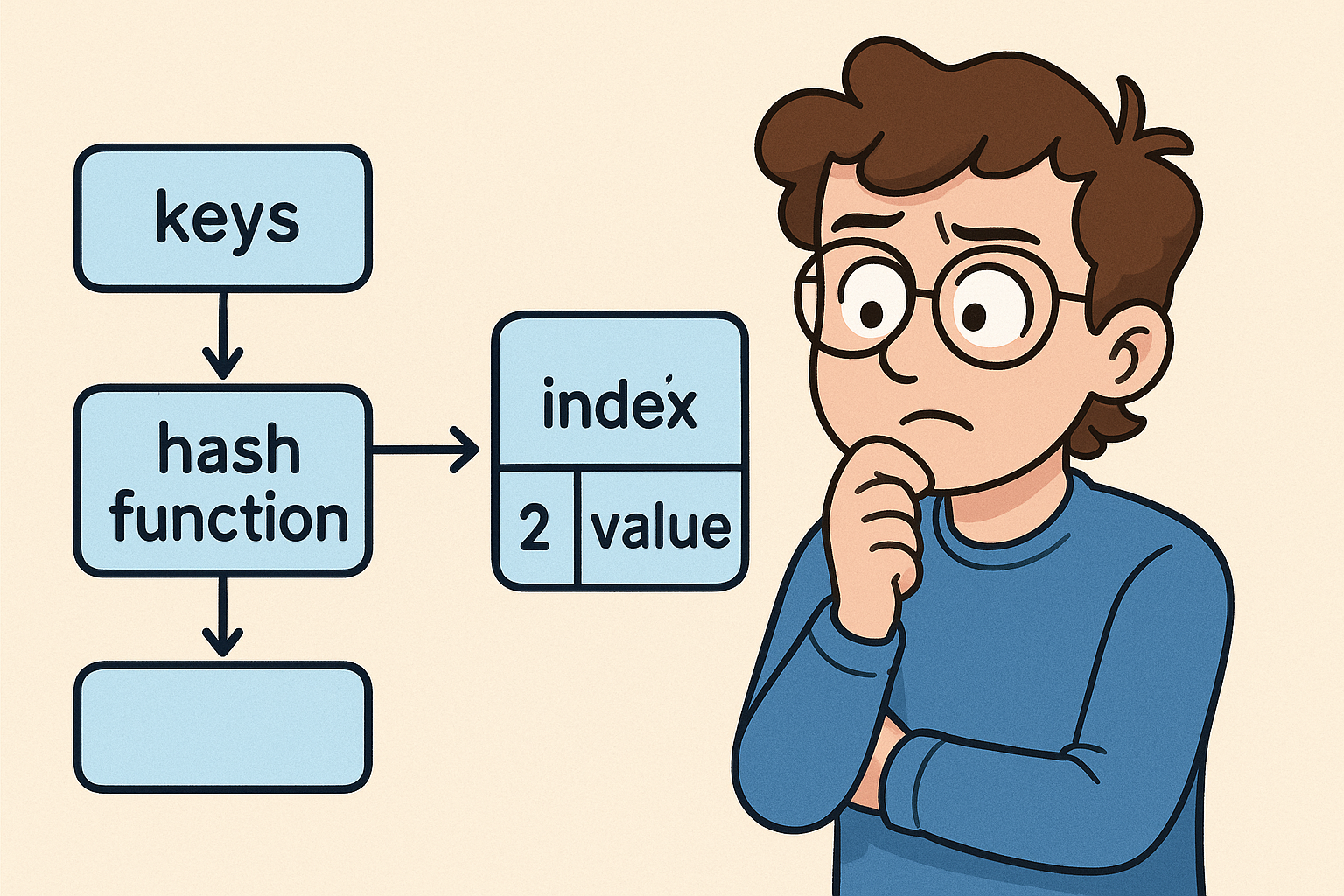
A hash table (also known as a hash map) is a data structure that stores key–value pairs. It uses a hash function to convert keys into indexes, which…
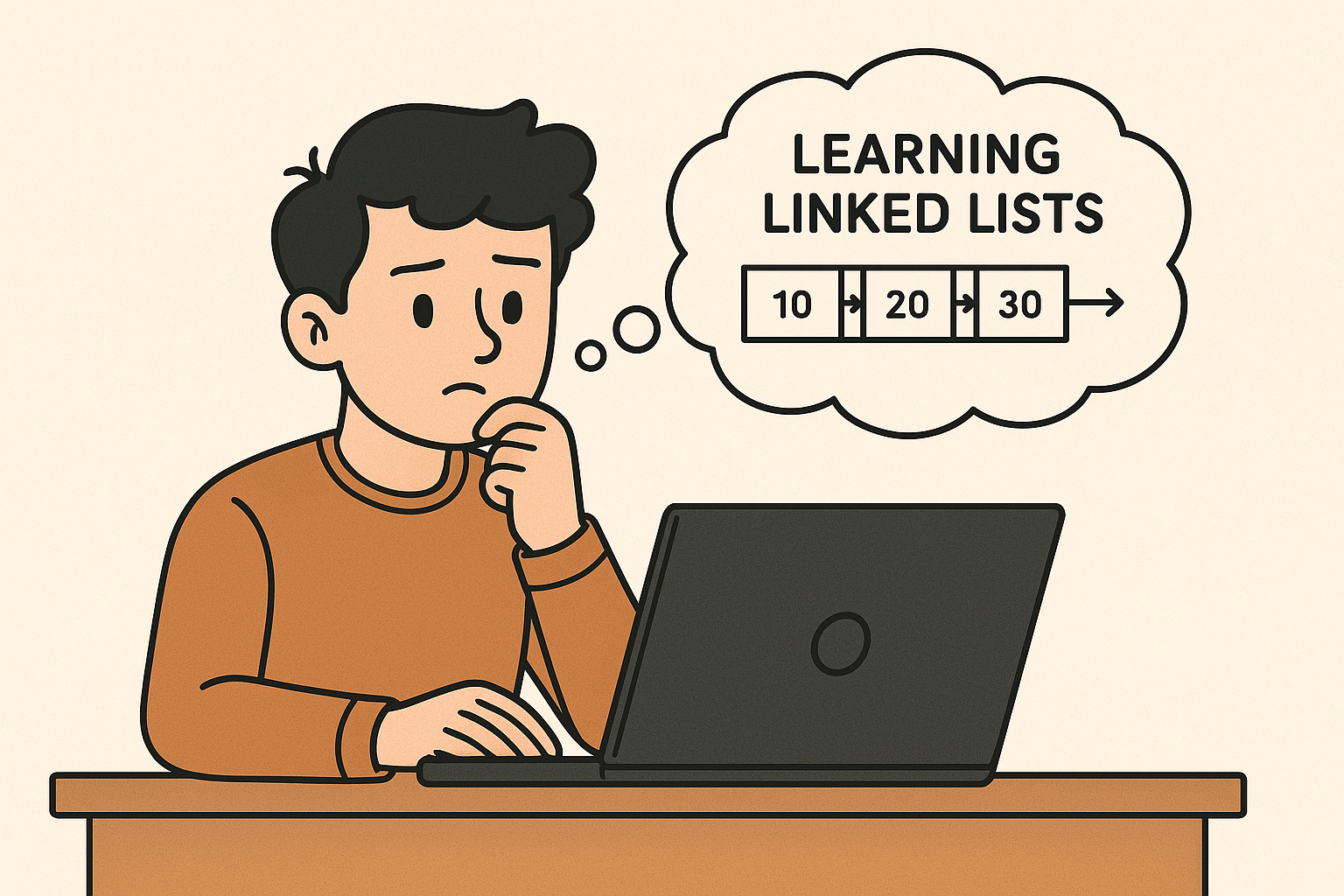
A linked list is a linear data structure where elements (called nodes) are stored in separate memory locations and connected using pointers (links).
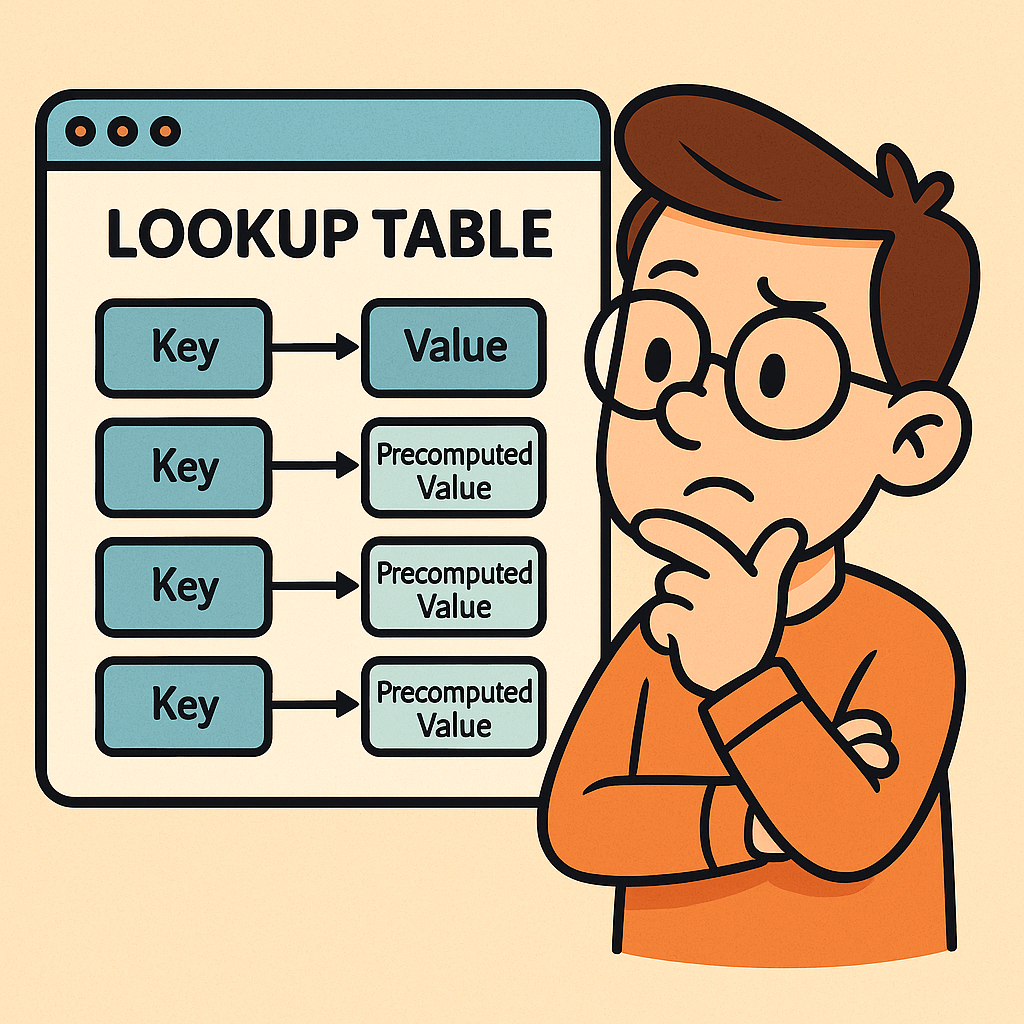
A lookup table (LUT) is a data structure, usually implemented as an array, hash map, or dictionary, that allows you to retrieve precomputed values based on an input…
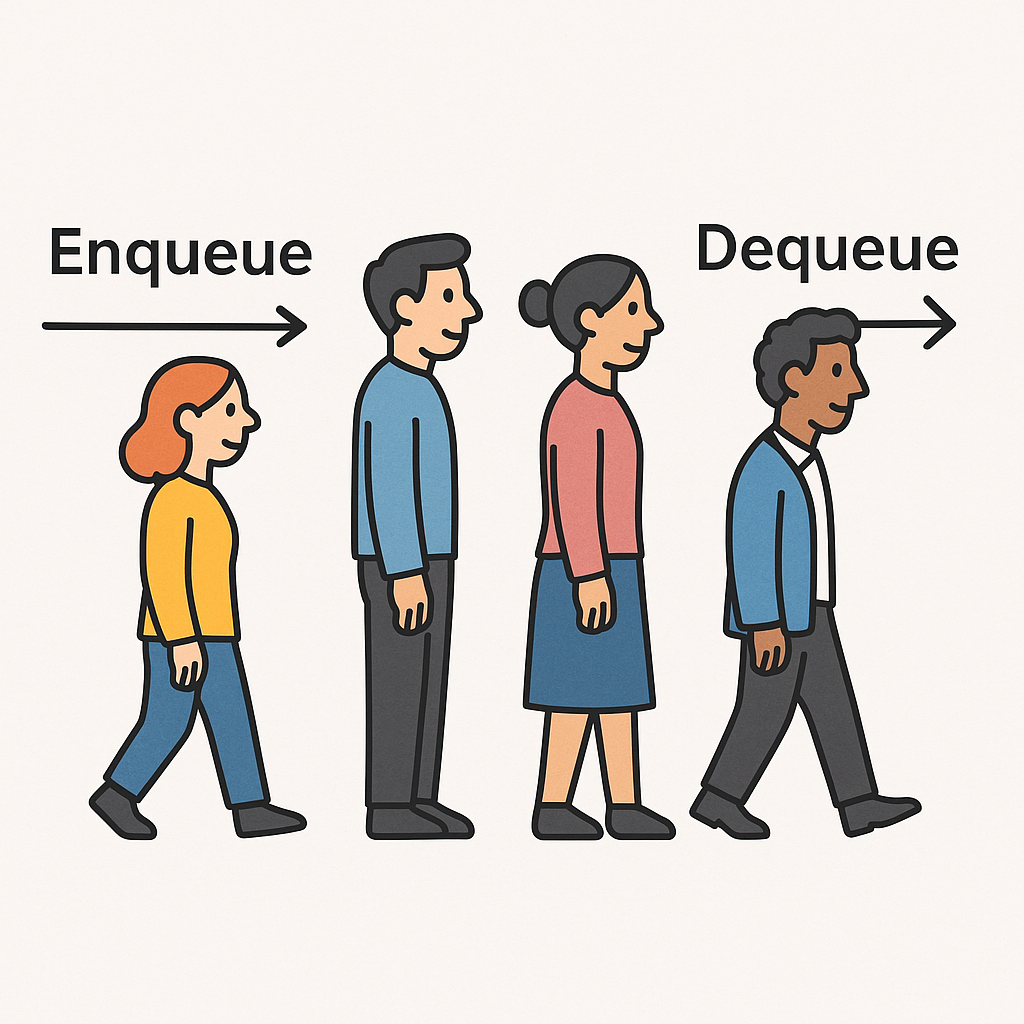
A queue is a fundamental data structure in computer science that follows the FIFO (First In, First Out) principle. This means the first element inserted into the queue…
When learning about data structures, one of the simplest yet most powerful concepts is the stack. Just like its real-world counterpart—a stack of plates in your kitchen—this structure…
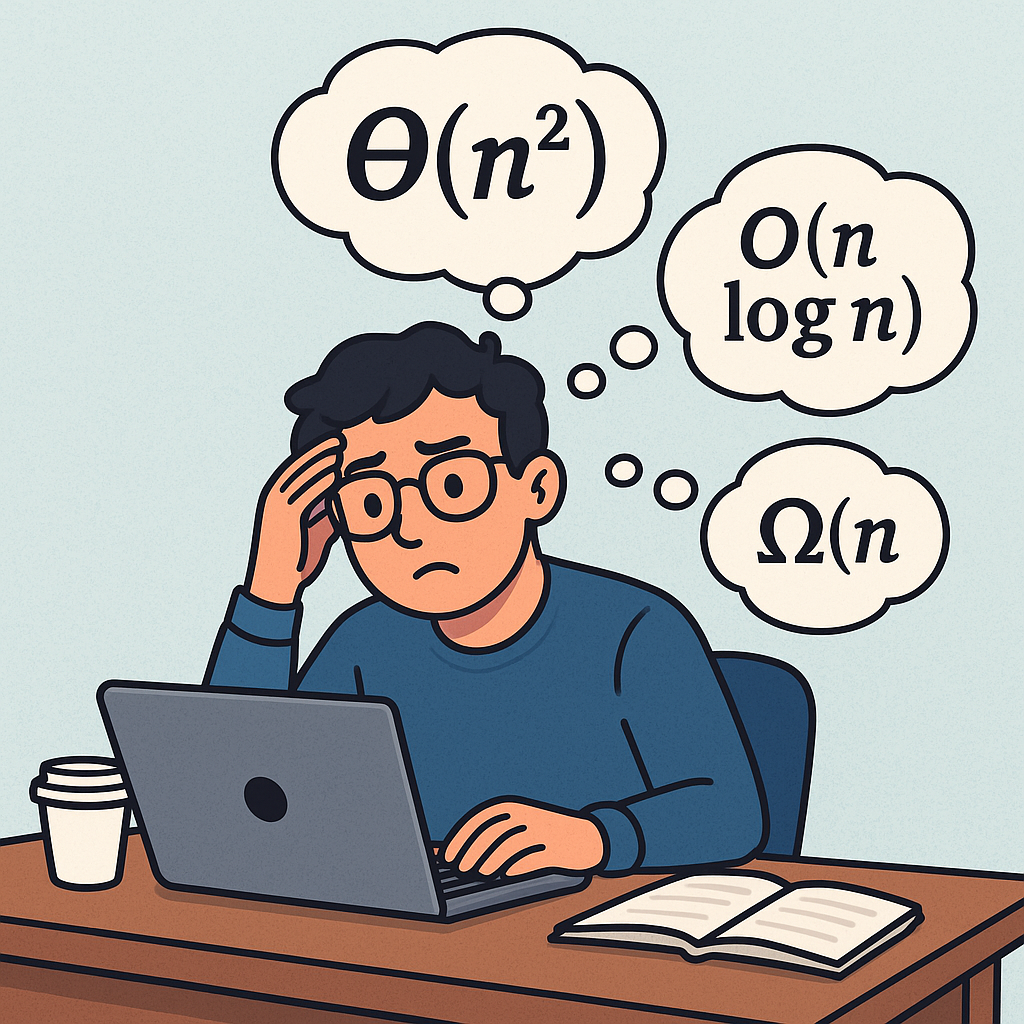
When we study algorithms, we often come across notations like Big O, Omega, and Theta. Among these, Theta (Θ) plays a special role because it gives us a…
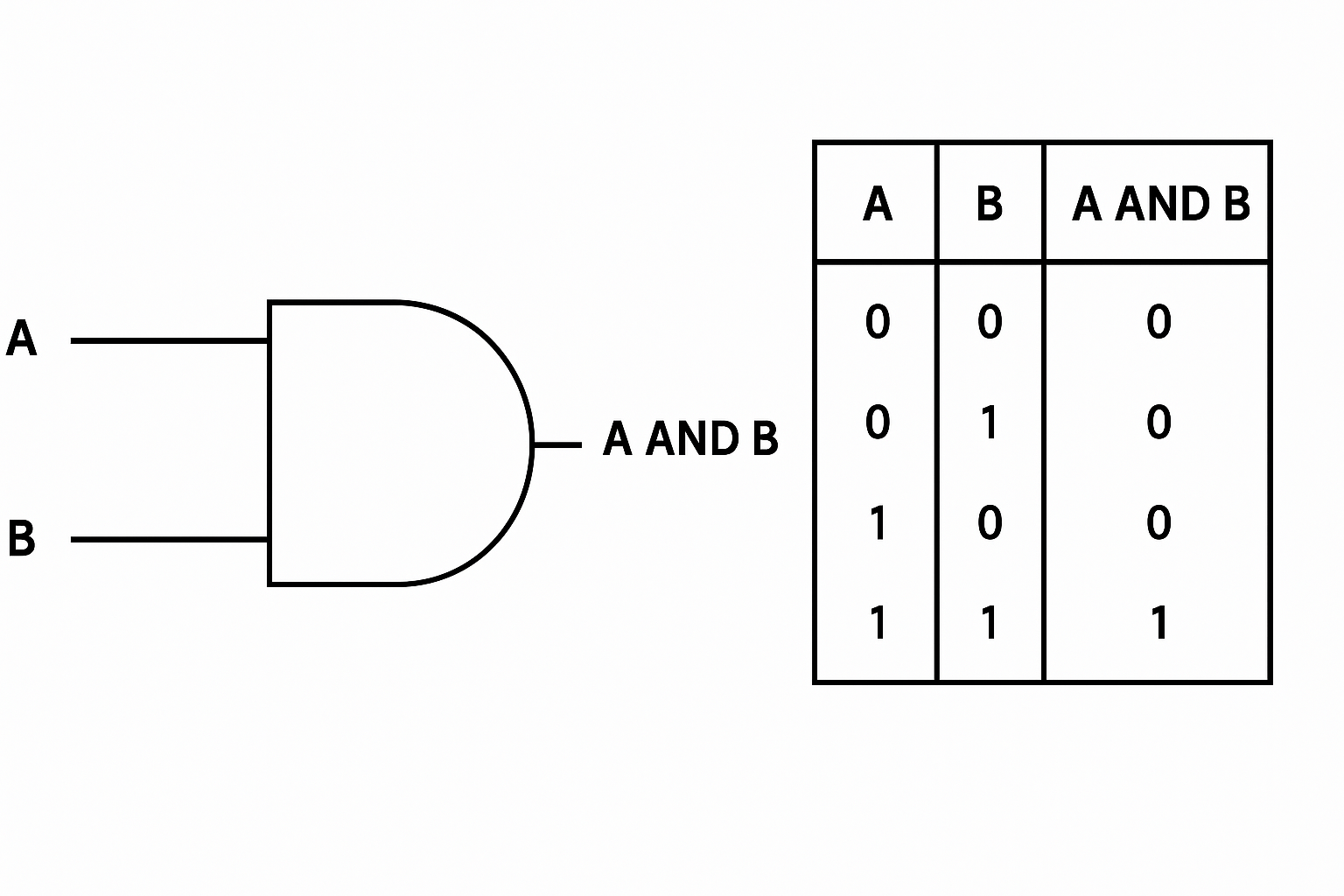
A truth table is a tabular representation of all possible values of logical variables and the results of applying logical operations to them. Each row of the table…
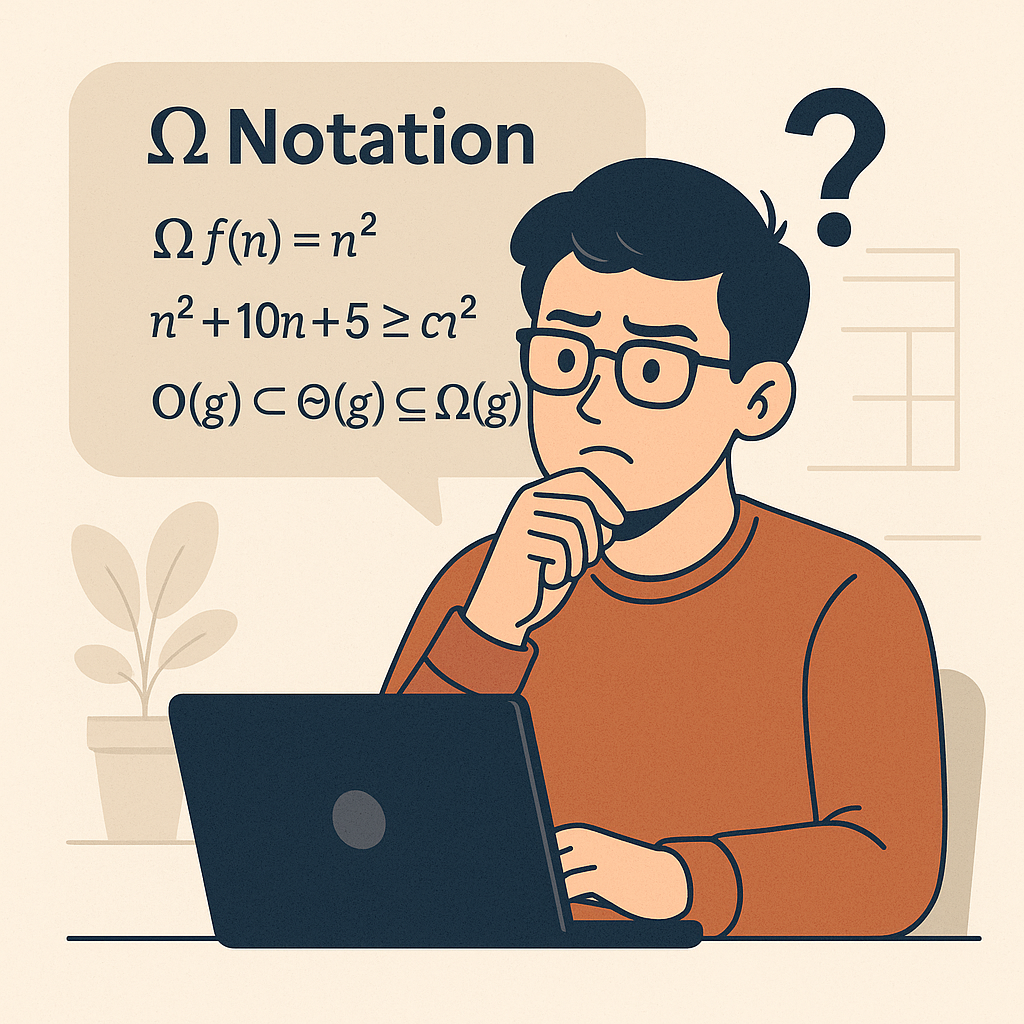
Ω (Omega) provides a lower bound on algorithm complexity. It tells us the minimum resources (time, comparisons, operations) an algorithm will always need as the input grows.