In computer science, not everything is built to last forever. Some concepts, processes, and resources are intentionally ephemeral—temporary by design, existing only for as long as they are…
Eventual consistency is a consistency model used in distributed computing systems. It ensures that, given enough time without new updates, all copies of data across different nodes will…
Forward Secrecy (also called Perfect Forward Secrecy or PFS) is a cryptographic property that ensures the confidentiality of past communications even if the long-term private keys of a…
Polyglot interop (polyglot interoperability) refers to the ability of different programming languages to work together within the same system or application. Instead of being confined to a single…
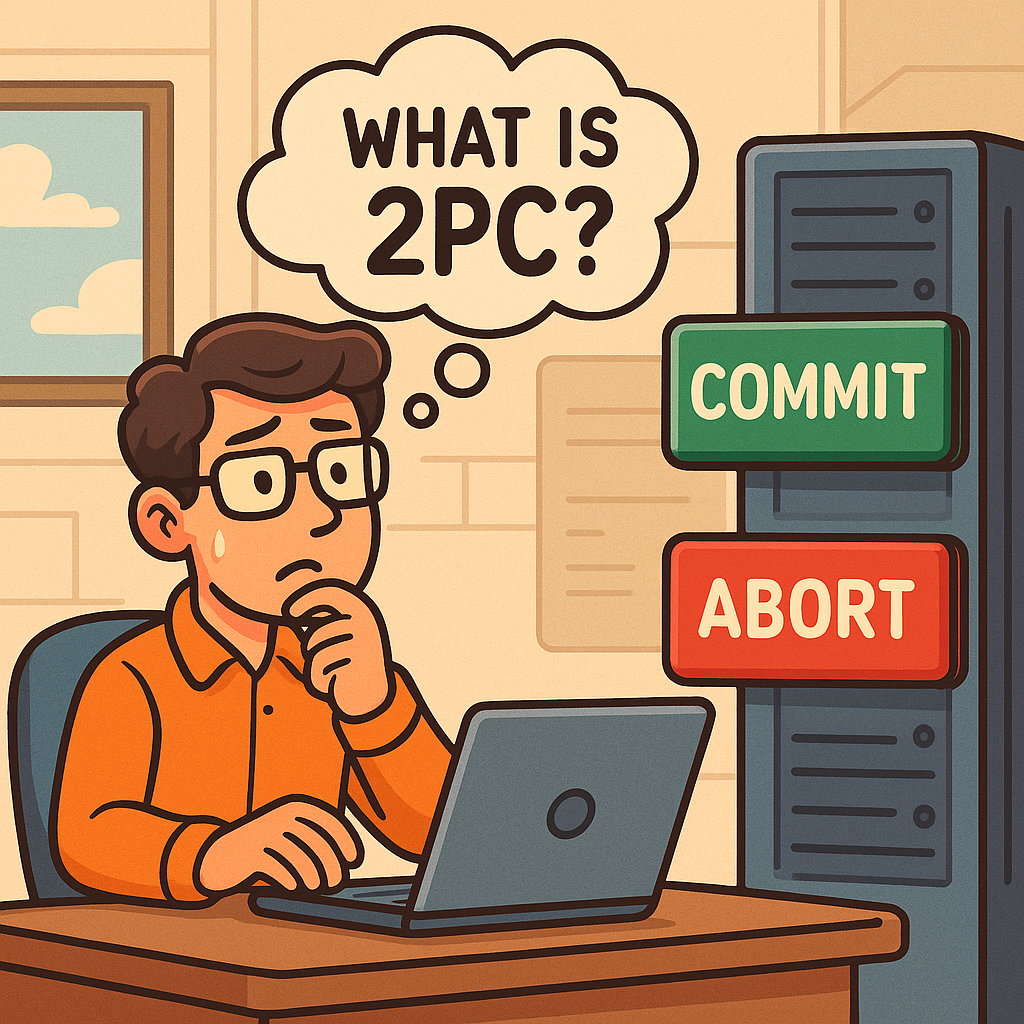
Two-Phase Commit (2PC) is a distributed transaction protocol that ensures all participants in a transaction either commit or abort changes in a coordinated way. It is widely used…
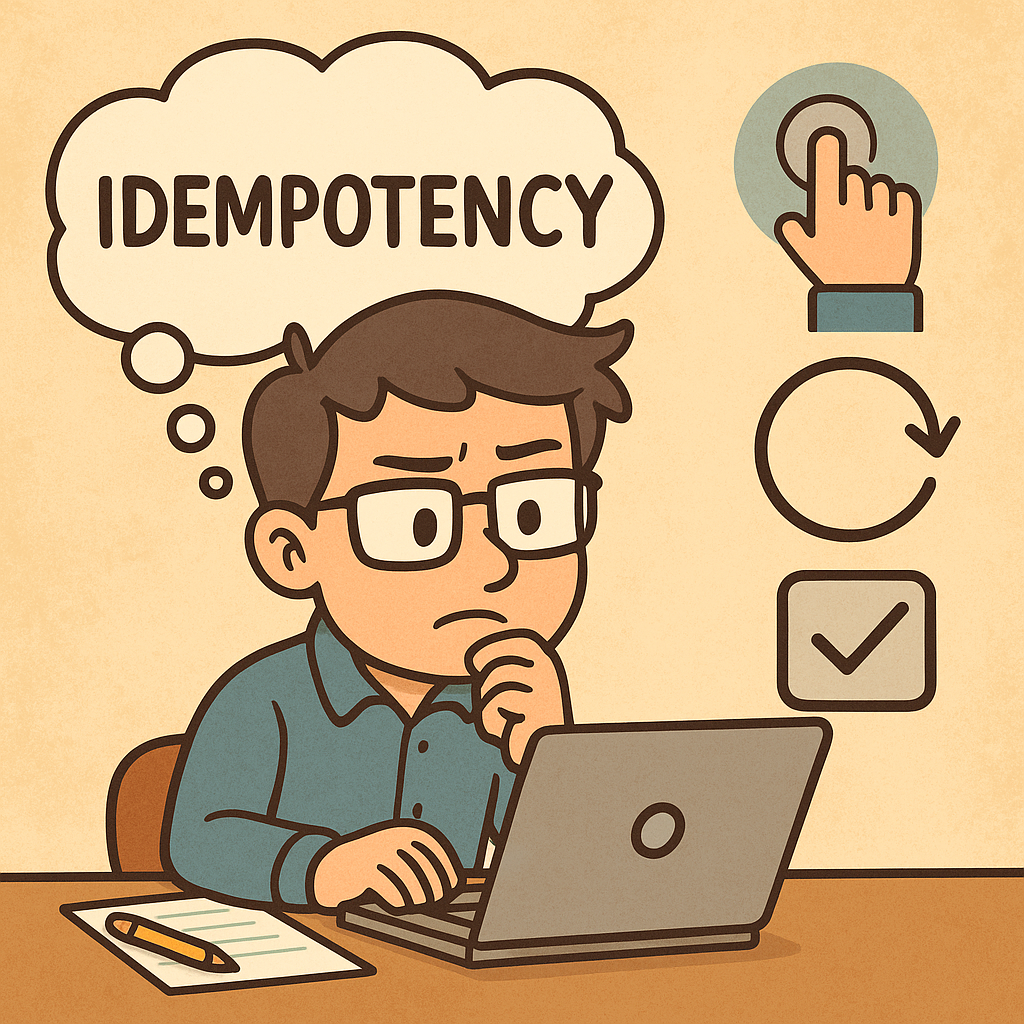
In computer science, the term idempotent describes an operation that produces the same result even if it is executed multiple times. In other words, no matter how many…
A lookup table (LUT) is a data structure, usually implemented as an array, hash map, or dictionary, that allows you to retrieve precomputed values based on an input…
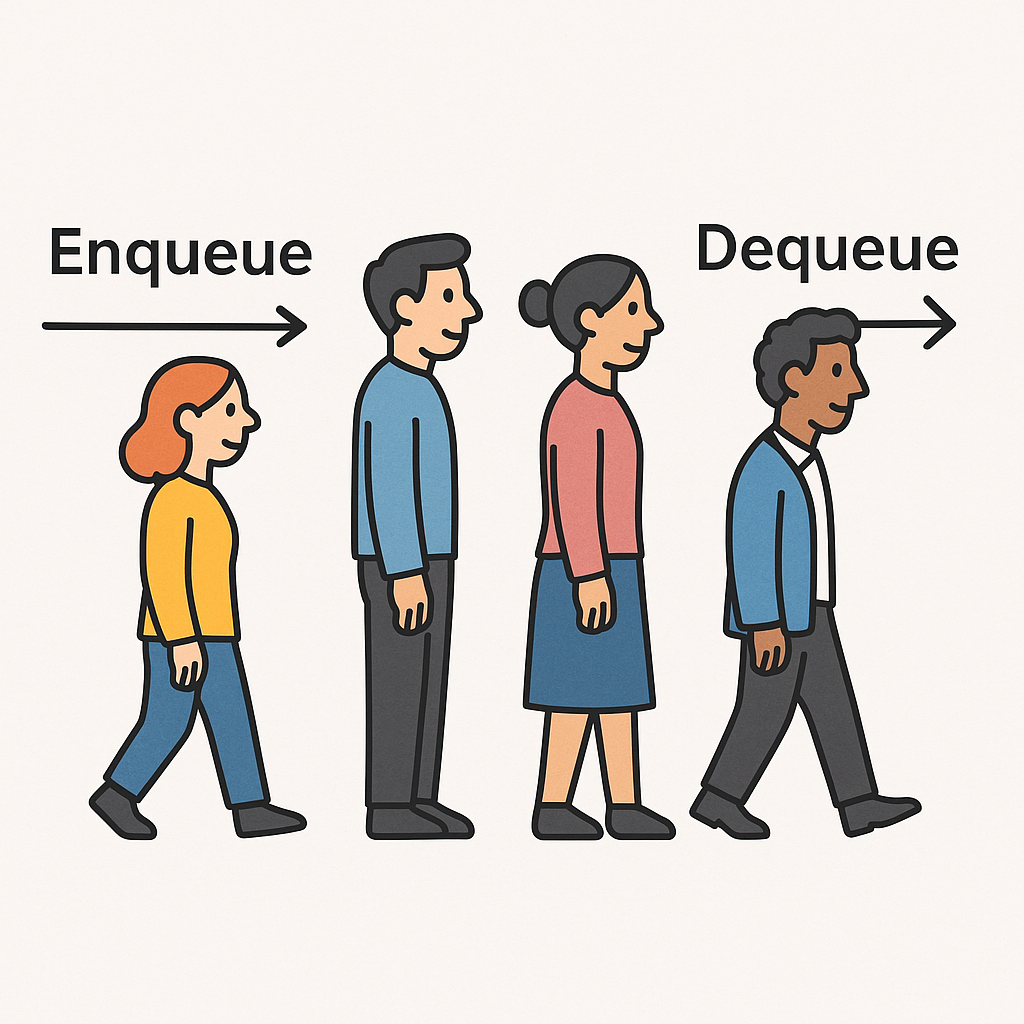
A queue is a fundamental data structure in computer science that follows the FIFO (First In, First Out) principle. This means the first element inserted into the queue…
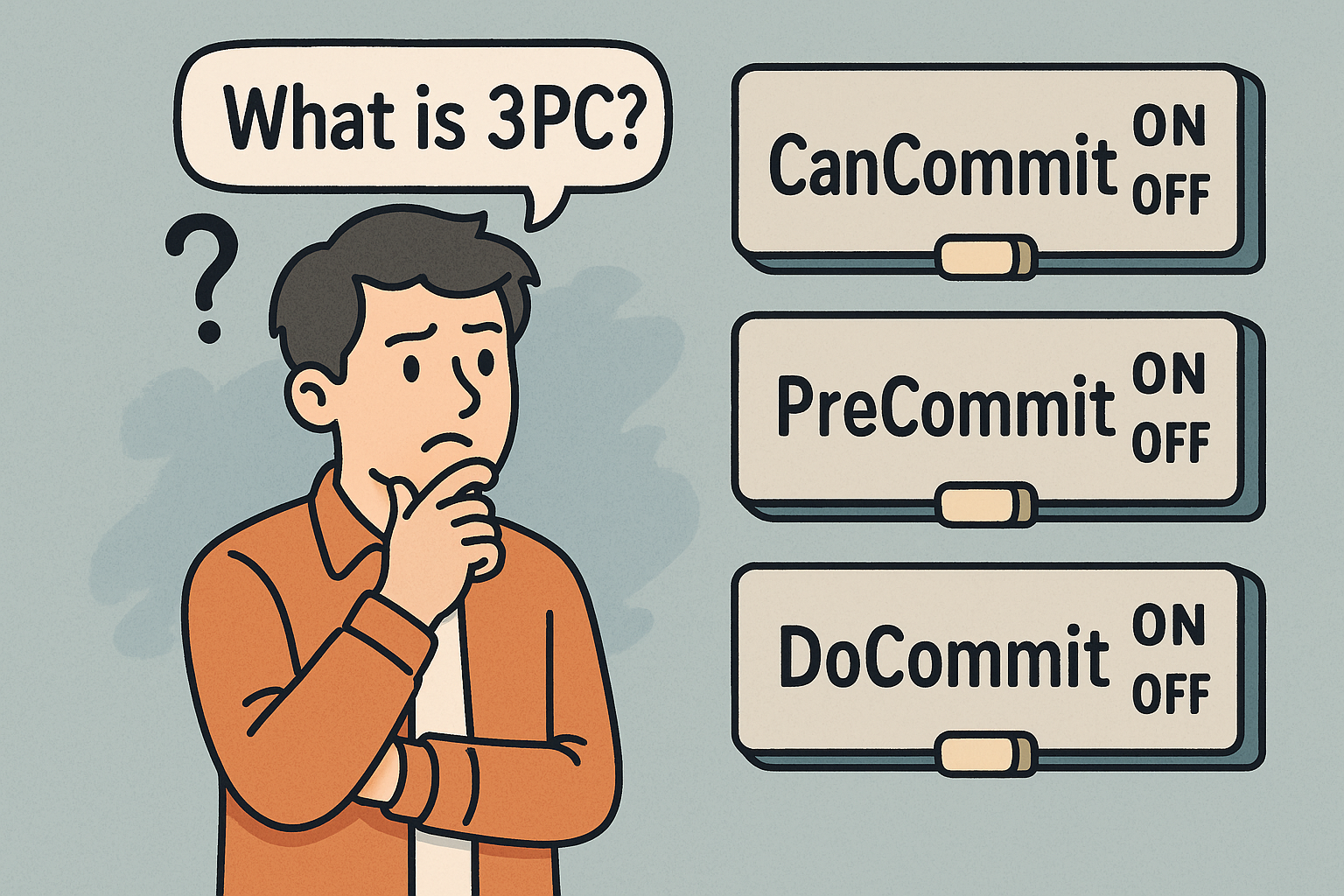
Three-Phase Commit (3PC) is a distributed consensus protocol used to ensure that a transaction across multiple nodes in a distributed system is either committed by all participants or…
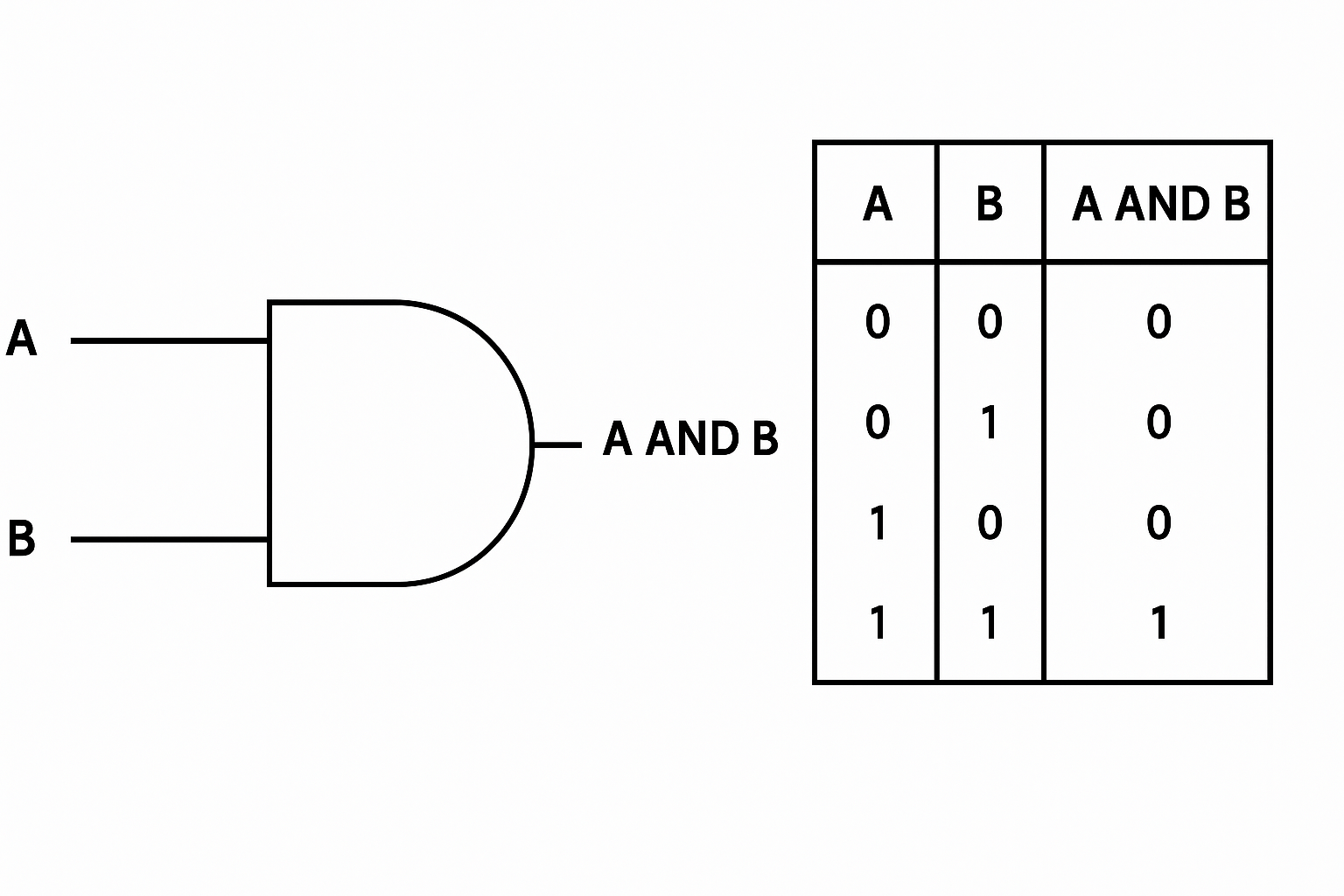
A truth table is a tabular representation of all possible values of logical variables and the results of applying logical operations to them. Each row of the table…